Content-First Email Marketing: How to Sell More Without Spamming Discounts
By AAKAR.studio Team •
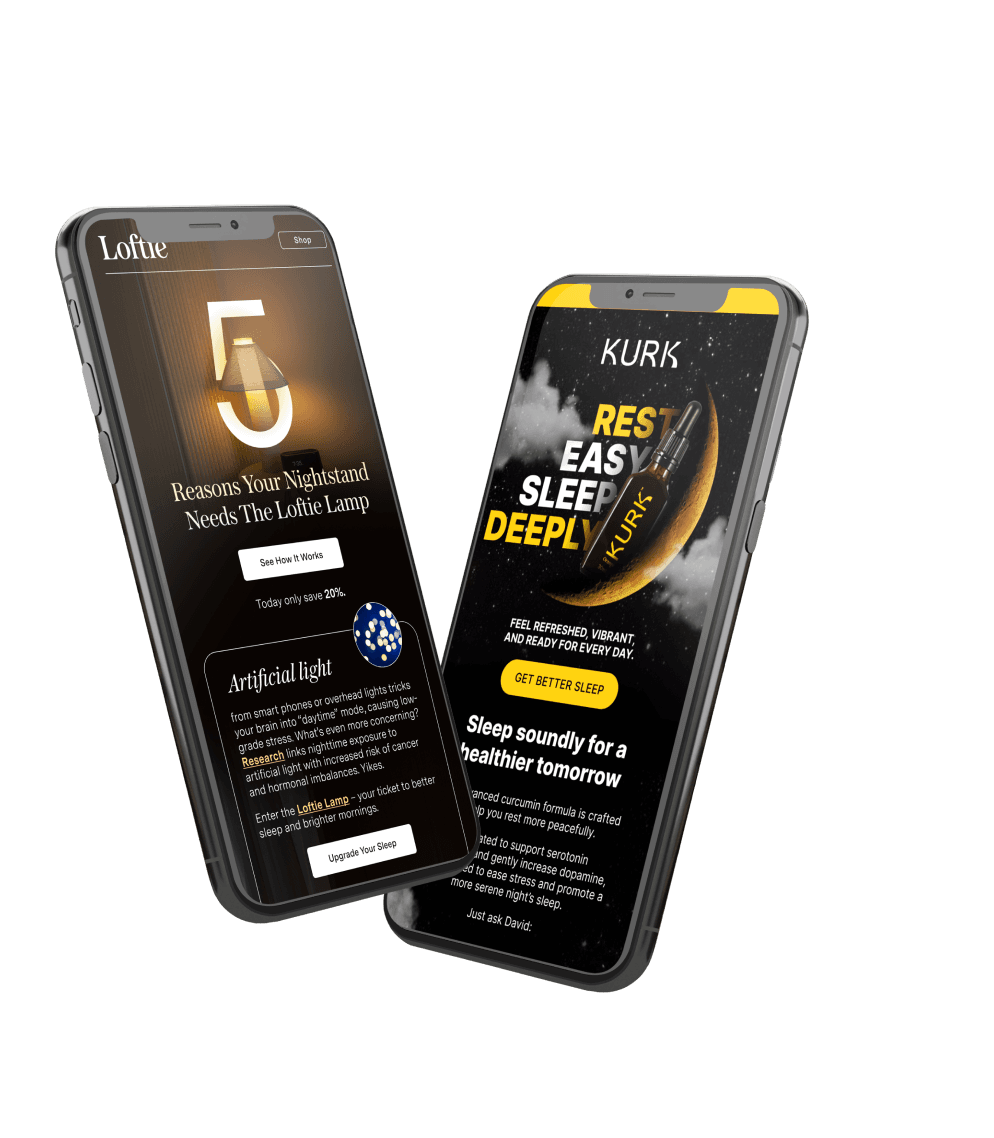
Many direct-to-consumer (D2C) brands fall into a dangerous trap: they treat their email list purely as a discount distribution channel. Every email they send is a variations of *"20% off today," "Last chance to save,"* or *"Flash sale."*
While discount spamming might generate a short-term spike in revenue, it destroys your brand margins, trains customers to buy *only* during sales, and kills your deliverability as unengaged users unsubscribe or mark your emails as spam.
The solution? Content-First Email Marketing (also known as Value-First Email Strategy). Here is how to sell more products by educating and entertaining your list first.
1. What is Content-First Email Marketing?
Content-First email marketing means sending campaigns where the primary goal is to deliver value—whether through education, entertainment, storytelling, or curation—rather than pitching a product. The sales pitch is secondary, usually placed as a soft call-to-action (CTA) at the end of the email.
- The 80/20 Rule: 80% of your email content should be value-driven, and only 20% should be purely promotional.
2. The Benefits of a Content-First Approach
- Higher Open Rates: When subscribers know your emails contain useful tips, interesting stories, or guides, they look forward to opening them.
- Preserved Profit Margins: By building value around your products rather than dropping prices, you can sell at full retail price without relying on constant discounts.
- Higher Customer Lifetime Value (LTV): Value-driven emails build emotional connections, turning transactional buyers into loyal brand advocates who buy repeatedly.
3. How to Create Content-First Email Campaigns
A. Educational Content (The "How-To")
Explain how to get the most value out of your products or solve a problem related to your niche.
- *Example for Skincare*: *"The Correct Order to Apply Your Serums (Morning vs. Night Routine)"*
- *Example for Supplement*: *"5 Science-Backed Ways to Improve Deep Sleep (Besides Melatonin)"*
B. Storytelling & Brand Values
Share the story behind the brand, highlight your sourcing methods, or showcase profiles of your team members.
- *Example*: *"Why we sourced our organic cotton from local farms in India"* (connecting values to the purchase).
C. Curated Recommendations
Curate lists of articles, podcasts, books, or recipes that align with your target audience's lifestyle.
- *Example for a Kitchenware brand*: *"3 Easy Mid-Week Recipes That Take Under 20 Minutes"* (featuring your cookware).
4. The Anatomy of a High-Converting Value Email
How do you generate revenue from an educational email?
1. The Hook: A compelling, question-based subject line (e.g., *"Are you applying your moisturizer wrong?"*).
2. The Education: Explain the problem and provide a clear, actionable solution in the body.
3. The Soft Pitch: Connect the solution to your product (e.g., *"Our hyaluronic serum is formulated specifically to lock in moisture at the cellular level"*).
4. The CTA: A soft call-to-action button (e.g., *"Try the Hydration Serum"*).
AAKAR.studio is a retention agency working with D2C and ecommerce brands worldwide. We help brands convert and retain more customers through Klaviyo flow setup, campaign strategy, and expert copywriting. Contact hello@aakar.studio or visit our website to learn more.
---
Related Reading
Frequently Asked Questions
What is content-first email marketing?
Content-first email marketing is a strategy where you lead with educational, valuable content instead of constant promotional discounts. Instead of sending '20% OFF EVERYTHING' every week, you send emails that teach, inspire, or entertain your audience — with subtle product integration. This approach builds brand trust, reduces discount dependency, and increases Customer Lifetime Value because customers buy for value, not just price.
How often should a D2C brand send marketing emails?
Most D2C brands should send 3-4 campaigns per week to their engaged segments, and 1-2 per week to less active subscribers. The key is segmentation — your most engaged customers can handle daily emails, while newer subscribers should receive fewer. Never send the same email to your entire list. The ideal mix is 60% value-driven content and 40% promotional offers.
What is a good open rate for e-commerce email campaigns?
A good open rate for e-commerce email campaigns is 35-45% for automated flows and 20-30% for broadcast campaigns. However, since Apple's Mail Privacy Protection (MPP) inflated open rates starting in 2021, click rate is a more reliable metric. Aim for a click rate of 2-4% for campaigns and 5-10% for automated flows. The most important metric remains Revenue Per Recipient.
How do I reduce discount dependency in my email marketing?
To reduce discount dependency: (1) Replace 50% of your promotional emails with educational content, founder stories, and UGC showcases. (2) Use tiered loyalty rewards instead of flat percentage discounts. (3) Create urgency through limited editions and early access rather than price cuts. (4) Segment discount-hunters separately and gradually reduce their offer frequency. (5) Focus your copy on product value and outcomes rather than savings.