Top 5 Klaviyo Flows for Shopify That Double E-Commerce Revenue
By AAKAR.studio Team •
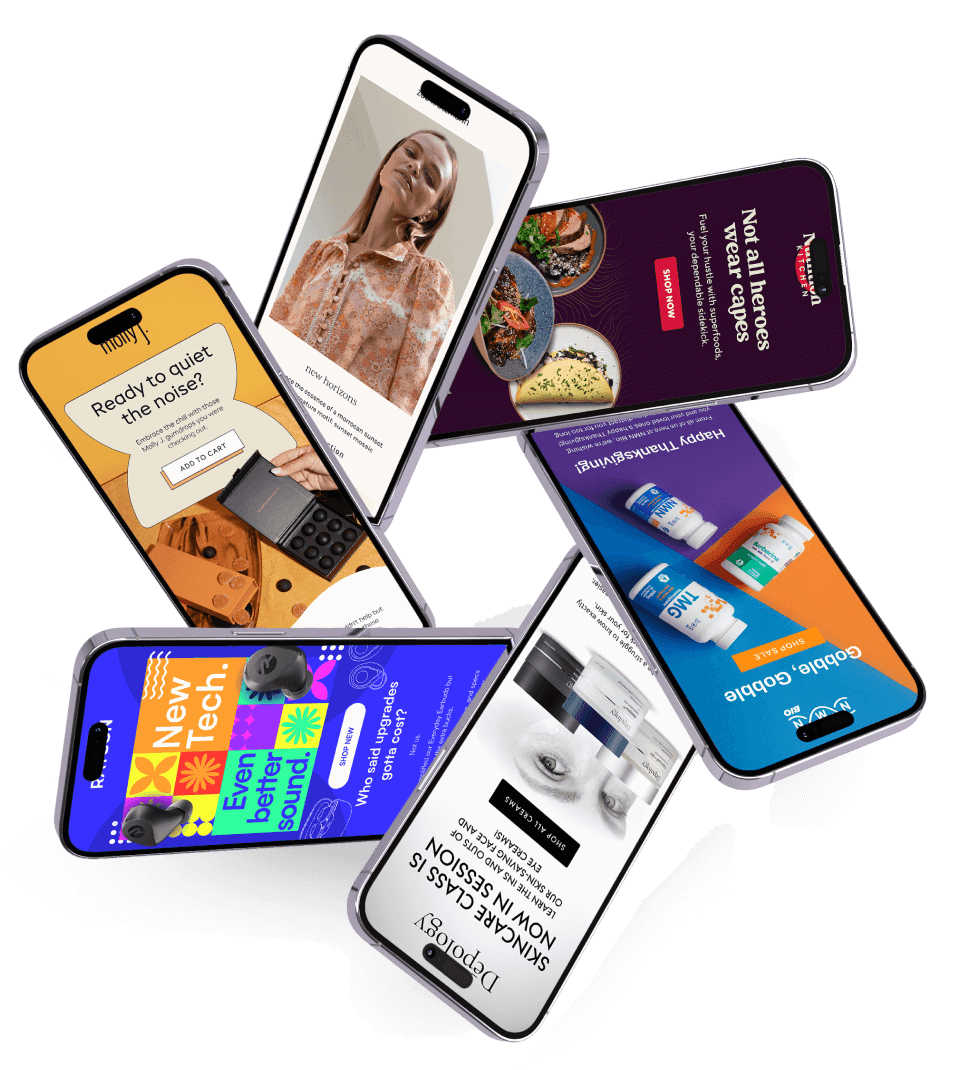
Email marketing is the highest ROI channel for Shopify merchants, but only if you put it on autopilot. While manual campaigns are great for promotions, automated email flows run in the background 24/7, converting window shoppers into lifelong brand advocates.
If you are using Klaviyo on your Shopify store, here are the top 5 lifecycle automation flows you must implement to maximize your retention revenue:
1. The Welcome Series
The Welcome Series is the first impression your brand makes. When someone signs up for your newsletter or claims a discount popup, they are at their peak interest level.
- Trigger: Joined list (e.g., Newsletter list)
- Filters: Has placed order zero times
- Optimal Setup:
- Email 1 (Immediate): Deliver the discount code or incentive, introduce the brand's core values, and set expectations.
- Email 2 (24 hours later): Tell the founder's story or explain the "Why" behind your products. Focus on brand connection rather than selling.
- Email 3 (48 hours later): Showcase social proof (customer reviews, press mentions, or user-generated content).
2. Abandoned Cart Flow
Many merchants confuse cart abandonment with checkout abandonment. The Abandoned Cart flow targets users who added an item to their cart but left before starting the checkout process.
- Trigger: Added to Cart
- Filters: Has not started checkout since adding to cart AND has not placed an order since adding to cart.
- Optimal Setup:
- Email 1 (45 minutes later): A friendly reminder showing the exact item in their cart with a clear CTA to return.
- Email 2 (24 hours later): Focus on overcoming objections (free shipping threshold, return policy, or FAQs).
3. Abandoned Checkout Flow
These are your warmest prospects. They entered their contact details and shipping information but bounced at the last second.
- Trigger: Started Checkout
- Filters: Has not placed an order since starting checkout.
- Optimal Setup:
- Email 1 (1 hour later): Simple, text-only email from a support representative asking if they encountered any technical issues.
- Email 2 (24 hours later): Add urgency (e.g., "Your cart is about to expire"). Introduce a small discount if they haven't completed their purchase.
4. Browse Abandonment Flow
This flow targets users who viewed a product page but didn't click "Add to Cart." They are interested, but need a gentle push.
- Trigger: Viewed Product
- Filters: Has not added to cart, started checkout, or placed an order since viewing the product.
- Optimal Setup:
- Email 1 (2 hours later): Show the product they viewed and suggest 2-3 similar alternatives in case that one wasn't the perfect fit.
- Email 2 (24 hours later): Share product education, benefits, or a tutorial on how to use the item.
5. Post-Purchase Customer Win-Back
After a customer buys from you, your retention efforts begin. You want to turn one-time buyers into repeat customers.
- Trigger: Placed Order
- Filters: Has placed order equal to 1.
- Optimal Setup:
- Email 1 (Immediate): Order confirmation and thank-you email. Keep it transactional and exciting.
- Email 2 (14 days later): Check-in email asking if they received their product and if they have any feedback.
- Email 3 (30-45 days later): Offer a repeat customer incentive or suggest a replenishment order based on product lifecycle.
AAKAR.studio is a retention agency working with D2C and ecommerce brands worldwide. We help brands convert and retain more customers through Klaviyo flow setup, campaign strategy, and expert copywriting. Contact hello@aakar.studio or visit our website to learn more.
---
Related Reading
Frequently Asked Questions
How many Klaviyo flows does a Shopify store need?
A well-optimized Shopify store should have a minimum of 7-10 active Klaviyo flows. The essential ones are: Welcome Series, Abandoned Cart, Abandoned Checkout, Browse Abandonment, Post-Purchase Nurture, Win-Back/Replenishment, Sunset (list hygiene), VIP/Loyalty, and Cross-Sell flows. Together, these should generate 15-25% of your total store revenue.
What is the difference between Klaviyo flows and campaigns?
Klaviyo flows are automated email sequences triggered by specific customer actions (like adding to cart or making a purchase). They run 24/7 without manual intervention. Campaigns are one-time sends to a segment of your list, like a product launch or seasonal sale. Both are essential: flows build your revenue baseline, while campaigns drive spikes during key moments.
How much revenue should Klaviyo flows generate for my Shopify store?
For a well-optimized Shopify store, Klaviyo automated flows should generate between 15% and 25% of your total store revenue. If your flows are generating less than 15%, it typically means you are missing key flows, your copy needs improvement, or your segmentation is too broad. The Welcome Series and Abandoned Checkout flows alone should account for 8-12% of revenue.
What is the best abandoned cart email sequence for Shopify?
The best abandoned cart sequence for Shopify uses 2-3 emails. Email 1 should be sent 1-2 hours after abandonment with a simple reminder and product image. Email 2 at 24 hours should highlight product benefits, customer reviews, or FAQs. Email 3 at 48-72 hours can include a small incentive like free shipping. Always separate your Abandoned Cart flow (added to cart) from your Abandoned Checkout flow (entered payment info) for better targeting.