How D2C Brands Can 3x Their Email Revenue in 90 Days
By AAKAR.studio Team •
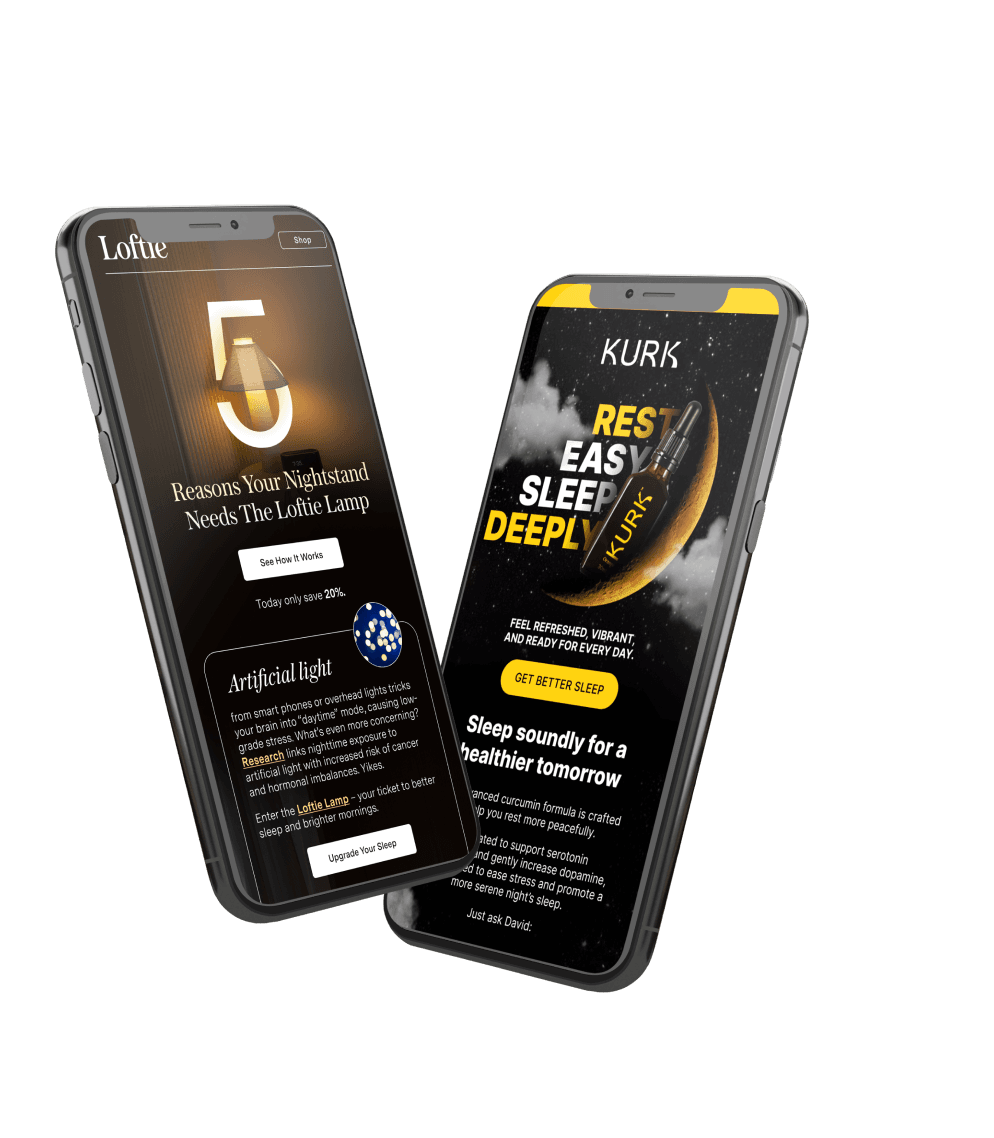
Most D2C brands are sitting on a goldmine and don’t even know it. They spend thousands on Meta ads, Google Shopping, and influencer deals—fighting over the same expensive eyeballs. Meanwhile, their email list sits there, barely touched, sending the occasional “20% OFF EVERYTHING” blast that goes straight to spam.
Here’s the truth: email marketing should generate 30–45% of your total store revenue. If it’s not doing that, you’re leaving serious money on the table.
We run AAKAR.studio, an email marketing and retention agency that works exclusively with D2C and Shopify brands. Over the past year, we’ve helped brands go from email contributing 8–12% of revenue to 35–45%—in under 90 days. Here’s the exact framework we use.
Step 1: Fix Your Automated Flows (Week 1–2)
Automated email flows are the engine of your email revenue. They run 24/7, triggering based on customer behavior. Yet most brands either don’t have them or set them up once and forgot about them. Here are the 5 flows every D2C brand needs:
1. Welcome Series (3–5 emails)
This is your first impression. A new subscriber should receive: your brand story with a compelling offer, social proof like reviews and press mentions, product education, an urgency email as the offer expires, and a final last chance reminder. Expected result: 40–60% open rate and 8–15% conversion rate.
2. Abandoned Cart Flow (3–4 emails)
70% of carts are abandoned. Most of those people want to buy—they just need a nudge. Send a reminder after 1 hour, address objections at 24 hours, add scarcity at 48 hours, and give a final reminder at 72 hours. Expected result: recover 5–15% of abandoned carts.
3. Post-Purchase Flow (4–6 emails)
The sale isn’t the end—it’s the beginning. This flow turns buyers into repeat customers. Include a thank you and order confirmation, shipping updates, product tips, a review request, cross-sell recommendations, and replenishment reminders if applicable.
4. Browse Abandonment (2–3 emails)
Someone looked at a product but didn’t add to cart. Subtle reminder emails showing the product they viewed, along with social proof and related products, work very well here.
5. Win-Back Flow (3–4 emails)
Re-engage customers who haven’t purchased in 60–90 days before they churn forever. Offer a special incentive, remind them what they’re missing, and make it easy to come back.
Step 2: Segment Your List (Week 2–3)
Stop sending the same email to everyone. The days of batch and blast are over. Create these key segments: VIP Customers (top 10% by spend—give them early access and exclusive offers), Repeat Buyers (2+ purchases—cross-sell and loyalty rewards), One-Time Buyers (1 purchase 30+ days ago—second purchase incentive), Engaged Non-Buyers (open emails but never buy—education and social proof), and At-Risk subscribers (no opens in 60 days—win-back sequence).
When you send relevant emails to the right people at the right time, everything improves: open rates, click rates, conversion rates, and deliverability.
Step 3: Launch Strategic Campaigns (Week 3–12)
Flows run on autopilot. Campaigns are your weekly touchpoints that keep your brand top of mind. The content mix that works: 40% value content (tips, guides, behind-the-scenes, education), 30% promotional (product launches, sales, bundles), 20% social proof (customer stories, reviews, UGC), and 10% brand content (mission, team, milestones).
Send 3–4 emails per week for engaged segments and 1–2 for less active subscribers. The mistake most brands make is going 100% promotional. Your subscribers will tune out. Lead with value, and they’ll actually want to open your emails.
The Results
When you implement all three steps—flows, segmentation, and strategic campaigns—here’s what typically happens: In Month 1, email revenue jumps from 10% to 20–25% of total revenue. In Month 2, flows mature, list grows, and engagement climbs. By Month 3, email consistently drives 30–45% of store revenue. All without spending a single extra dollar on ads.
Should You DIY or Hire an Agency?
If your Shopify store does under $30K per month, you can probably handle this yourself with Klaviyo’s built-in templates and some YouTube tutorials. If you’re doing $30K to $500K+ per month, the opportunity cost of a poorly optimized email program is enormous. A dedicated agency pays for itself within the first month through recovered revenue.
At AAKAR.studio, we specialize in building and managing complete email programs for D2C brands on Shopify. We handle everything from Klaviyo flow setup to campaign strategy to copywriting.
Key Takeaways
- Set up 5 core automated flows—they generate revenue while you sleep
- Segment your list—relevance beats frequency every time
- Mix value with promotion—a 40/30/20/10 content split keeps subscribers engaged
- Track email as a revenue channel—aim for 30–45% of total store revenue from email
- Start now—every day without optimized flows is money lost
Want a free audit of your current email setup? Contact us at hello@aakar.studio to see how we can help your brand grow through strategic email marketing.
---
Related Reading
Frequently Asked Questions
How long does it take to see results from email marketing?
Most D2C brands start seeing measurable results within 30 days of implementing automated flows. By month 2, engagement metrics improve significantly. By month 3, email typically contributes 30-45% of total store revenue when flows, segmentation, and campaigns are all optimized together.
What are the most important email flows for a Shopify store?
The 5 essential email flows for any Shopify store are: (1) Welcome Series for new subscribers, (2) Abandoned Cart Recovery to recapture lost sales, (3) Post-Purchase Flow to drive repeat purchases, (4) Browse Abandonment for interested but uncommitted visitors, and (5) Win-Back Flow to re-engage lapsed customers.
How often should a D2C brand send marketing emails?
For engaged segments, send 3-4 emails per week. For less active subscribers, limit to 1-2 per week. The key is segmentation — sending the right content to the right people at the right frequency. A good content mix is 40% value, 30% promotional, 20% social proof, and 10% brand content.
What percentage of revenue should email generate for an ecommerce brand?
A well-optimized email program should generate 30-45% of total store revenue for a D2C brand. This comes from a combination of automated flows (typically 15-25% of revenue) and strategic campaigns (10-20% of revenue). If email contributes less than 20%, there is significant room for optimization.
Should I hire an email marketing agency or do it in-house?
If your Shopify store generates under $30K per month, you can likely manage email in-house using Klaviyo templates. Once you exceed $30K-$50K per month, the opportunity cost of an unoptimized email program far exceeds agency fees. A good agency typically pays for itself within the first month through recovered and incremental revenue.